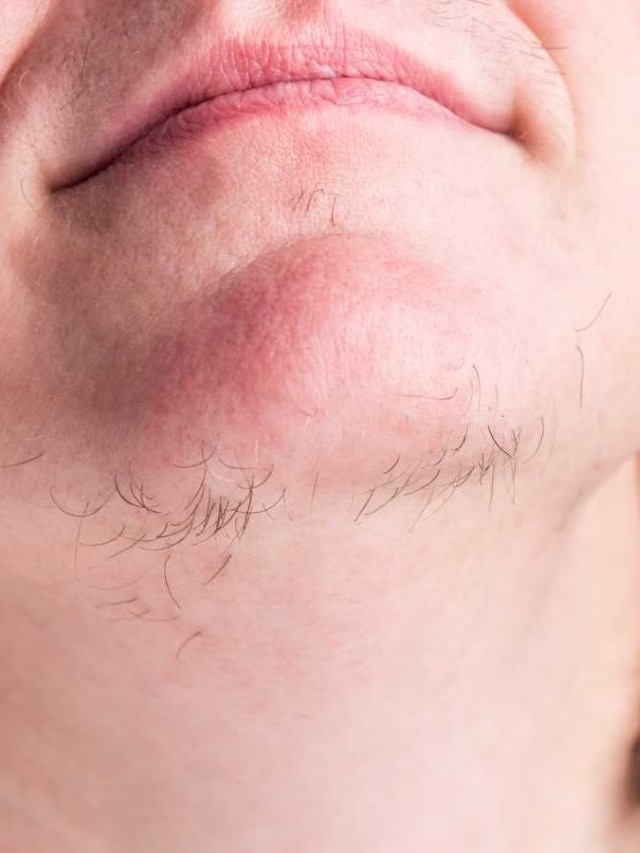
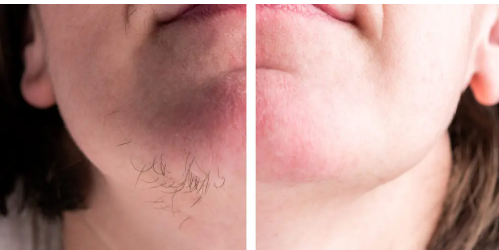
Chin hair in women—often a source of concern—is actually more common than many realize. These hairs can differ in thickness and color, ranging from soft and light to thick and dark. Some women may notice just a few isolated strands, while others experience more noticeable growth. Understanding the causes behind chin hair is important for managing it effectively. It’s also essential to recognize that this is a natural occurrence for many women, influenced by factors such as hormonal changes, genetics, and certain health conditions.
Hair on the chin grows according to the same cycle as hair elsewhere on the body, including the growth (anagen), transition (catagen), and resting (telogen) phases. Hormones called androgens—such as testosterone—play a key role in stimulating hair growth. While women naturally produce these hormones, an imbalance or increased sensitivity can lead to more visible facial hair. Genetics also determine the number and distribution of hair follicles, affecting how much hair appears on the chin.
Hormonal Influences
Hormonal shifts are one of the primary reasons for chin hair in women. Conditions like polycystic ovary syndrome (PCOS) can raise androgen levels, leading to excessive hair growth in areas typically associated with male patterns. Menopause can also contribute, as declining estrogen levels disrupt hormonal balance. Additionally, certain medications, including birth control pills, may influence facial hair growth.
Genetics and Family History
Inherited traits play a major role in hair growth patterns. If female relatives, such as your mother or grandmother, had chin hair, you are more likely to develop it as well. Women with Middle Eastern, Mediterranean, or South Asian backgrounds often have a higher tendency toward facial hair. Knowing your family history can help set realistic expectations.
Medical Conditions
Excess facial hair can sometimes be linked to underlying medical issues. PCOS is the most common, but other conditions—such as adrenal gland disorders, Cushing’s syndrome, or even certain tumors—can also increase androgen production. Thyroid disorders like hypothyroidism may affect hair growth patterns as well. If hair growth appears suddenly or becomes severe, consulting a healthcare professional is important.
Emotional and Psychological Impact
Chin hair can affect a woman’s confidence and self-image. Many feel embarrassed or self-conscious, which may lead to anxiety or reduced self-esteem. These feelings can influence social life, work opportunities, and personal relationships. Societal beauty standards often intensify this pressure, making emotional support and self-acceptance especially important.
Cultural and Social Perspectives
Cultural expectations strongly shape how facial hair is perceived. In many societies, smooth, hair-free skin is considered ideal, which can cause women with facial hair to feel judged or less feminine. Media and beauty trends often reinforce these ideals. However, perspectives are slowly changing, with growing conversations around body positivity and embracing natural features.
Hair Removal Options
There are various ways to manage chin hair. Temporary methods include plucking, waxing, shaving, and using depilatory creams. For longer-lasting results, treatments like laser hair removal or electrolysis target the hair follicles to reduce regrowth. Prescription creams such as eflornithine may also help slow hair growth. It’s best to choose a method that suits your skin type and consult a dermatologist if irritation occurs.
When to Seek Medical Advice
If you notice a sudden increase in facial hair—especially along with symptoms like irregular periods, weight gain, or acne—it’s important to see a doctor. They may recommend tests to check hormone levels or imaging to examine the ovaries and adrenal glands. Early diagnosis can make treatment more effective and improve overall well-being.
Lifestyle and Natural Approaches
Certain lifestyle changes may help manage chin hair. Maintaining a healthy weight can support hormone balance, particularly for women with PCOS. A nutritious diet rich in whole foods benefits overall health. Some women find that spearmint tea may help reduce androgen levels, though evidence varies. Managing stress through activities like yoga or meditation can also be helpful, as stress affects hormone production.
Final Thoughts
While chin hair can be worrying for many women, understanding its causes and available treatments can make it easier to handle. Acceptance and self-confidence are key. Whether you decide to remove the hair or embrace it, the choice should reflect what makes you feel most comfortable. You’re not alone, and there are many resources and options to support you.